Analogy
An analogy is like a mental bridge. It takes a simple, everyday situation you already understand and uses it to explain a bigger, more complicated idea.
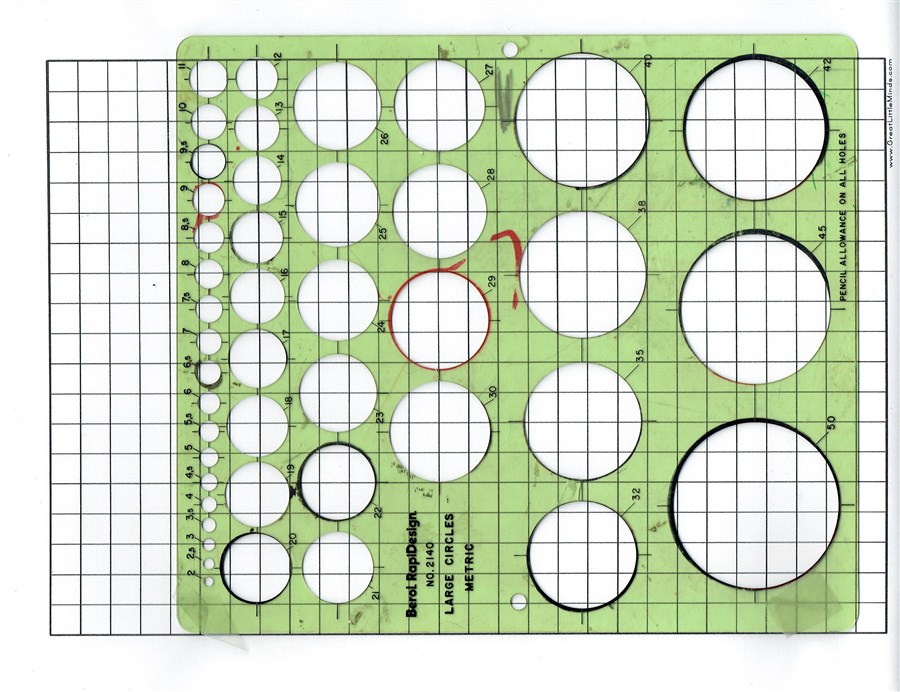
Think back to when you made your bookmark with the rounded semicircle ends. You already know from personal experience that using a circle template is steady and quick.
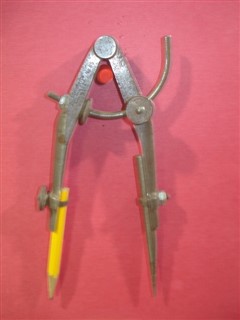
On the other hand, using a drawing compass requires a ton of patience, perfectly steady hands, and annoying little adjustments.
Comparing these two tools helps us understand a core concept used by real inventors and scientists.
The deeper lesson here is that simpler designs and tools are usually better than complicated ones.
In the world of engineering and science, experts talk about something called a "high fiddle factor."
This means a project or machine has too many moving parts that can easily slip, change, or break.
By comparing simple artisan tools to more complicated frustrating ones like using a compass, you can easily see why junior artisans always look for the most direct, reliable, and "low-fiddle" way to solve a problem.
Think back to when you made your bookmark with the rounded semicircle ends. You already know from personal experience that using a circle template is steady and quick.
On the other hand, using a drawing compass requires a ton of patience, perfectly steady hands, and annoying little adjustments.
Comparing these two tools helps us understand a core concept used by real inventors and scientists.
The deeper lesson here is that simpler designs and tools are usually better than complicated ones.
In the world of engineering and science, experts talk about something called a "high fiddle factor."
This means a project or machine has too many moving parts that can easily slip, change, or break.
By comparing simple artisan tools to more complicated frustrating ones like using a compass, you can easily see why junior artisans always look for the most direct, reliable, and "low-fiddle" way to solve a problem.