The Calculator
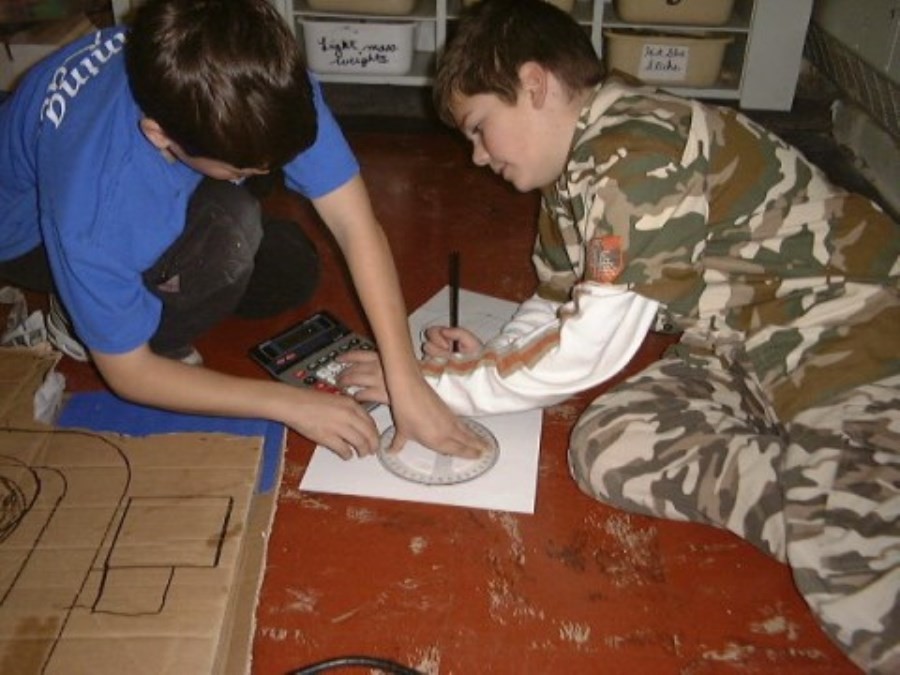
The photo above shows two students using a calculator to calculate the number of degrees that are required to divide the circle protractor into three equal parts.
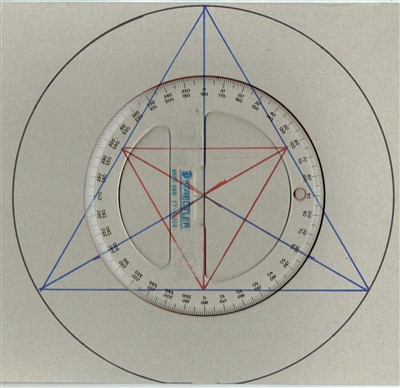
These three points, when joined together will form into an equilateral triangle. The equilateral triangle will be used as a template to make a tetrahedron.
These three points, when joined together will form into an equilateral triangle. The equilateral triangle will be used as a template to make a tetrahedron.
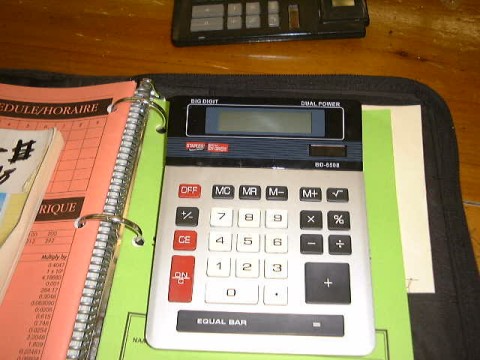
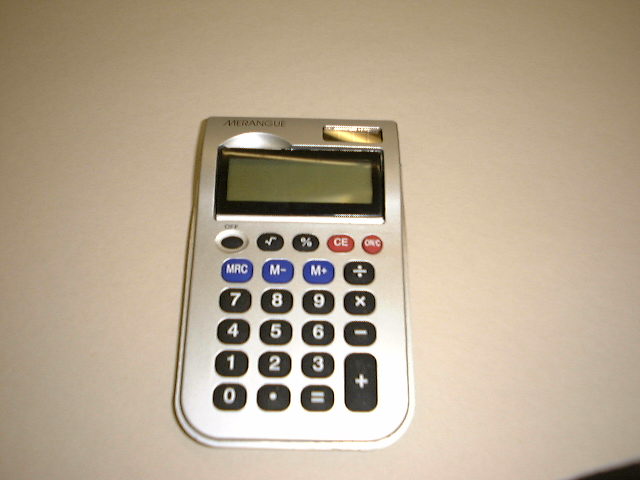
The above photos show two simple calculators that are a good example of calculators we used in my classroom. Each student was required to have and organize their calculator.
Calculators helped me teach math operations. A calculator promotes thinking and reasoning skills when solving problems.
When students were reading a novel in the class as a group or individually they were required to have their calculator beside them.
At any time, I could ask them the fraction, decimal equivalent or percentage of progress we were making toward completing our novel.
My students used a calculator for a variety of other mathematical purposes. The calculator, circle protractor and pencil compass made solving geometry problems an enjoyable experience.
Constructing Regular Polygons: Beyond the equilateral triangle, students used their compasses and protractors to divide circles into four, five, or six equal parts to create squares, pentagons, and hexagons.
Scale Drawings:
Students also used their calculators to determine the "scale" of the classroom, then used their compasses to draw perfectly scaled circular features, like a rug or a round table, or their room at home.