Symmetrical
Mathematical "2D" Symmetrical
Mathematical "2D" Symmetrical
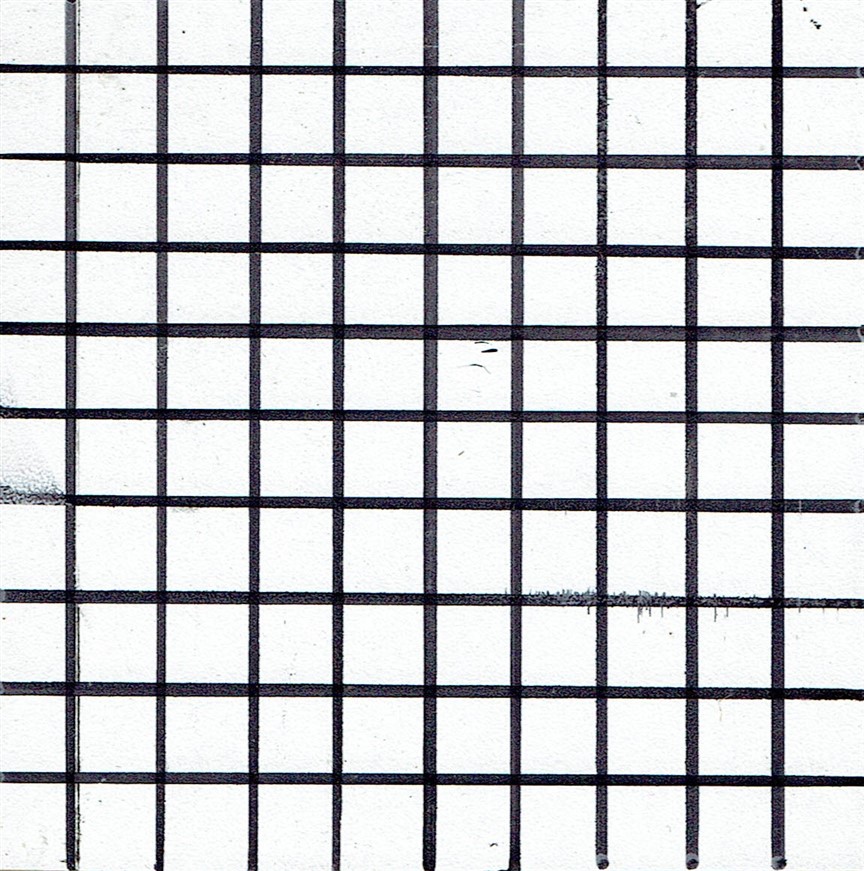

Imagine looking at a square decimeter covered in a neat grid of one-centimetre squares. If you draw a red line right down the exact middle, you split it perfectly.
This red line shows that the shape is symmetrical. Symmetrical means that a shape looks exactly the same on both sides of a dividing line. Think of it like a perfect mirror reflection. If you fold a symmetrical shape in half along that line, the two parts will match up perfectly with no edges sticking out.
The fold line down the middle is called the line of symmetry. Shapes can have different numbers of these lines depending on how they are built. For example, a butterfly or a heart has only one line of symmetry. If you cut them from top to bottom, the left and right sides match. However, if you cut them from side to side, the top and bottom halves do not match at all.
Other shapes have many lines of symmetry. A square has four different lines of symmetry because you can fold it top-to-bottom, side-to-side, and from corner to corner.
A perfect circle actually has infinite lines of symmetry because you can fold it anywhere as long as the line goes straight through the exact center. On the other hand, some shapes have zero lines of symmetry.
Shapes that are completely uneven, like a jagged zig-zag rock, are called asymmetrical, which just means they are not symmetrical.You can find easy ways to spot symmetry all around you every day. If you look in a mirror and imagine a line right down the middle of your nose, your face is mostly symmetrical because your left eye matches your right eye, and your left ear matches your right ear.
You can also see this in the alphabet. If you cut the capital letter "A" down the middle, the left side looks just like the right side. The capital letter "O" is even more symmetrical because you can cut it down the middle or sideways, and both halves will always match.
This red line shows that the shape is symmetrical. Symmetrical means that a shape looks exactly the same on both sides of a dividing line. Think of it like a perfect mirror reflection. If you fold a symmetrical shape in half along that line, the two parts will match up perfectly with no edges sticking out.
The fold line down the middle is called the line of symmetry. Shapes can have different numbers of these lines depending on how they are built. For example, a butterfly or a heart has only one line of symmetry. If you cut them from top to bottom, the left and right sides match. However, if you cut them from side to side, the top and bottom halves do not match at all.
Other shapes have many lines of symmetry. A square has four different lines of symmetry because you can fold it top-to-bottom, side-to-side, and from corner to corner.
A perfect circle actually has infinite lines of symmetry because you can fold it anywhere as long as the line goes straight through the exact center. On the other hand, some shapes have zero lines of symmetry.
Shapes that are completely uneven, like a jagged zig-zag rock, are called asymmetrical, which just means they are not symmetrical.You can find easy ways to spot symmetry all around you every day. If you look in a mirror and imagine a line right down the middle of your nose, your face is mostly symmetrical because your left eye matches your right eye, and your left ear matches your right ear.
You can also see this in the alphabet. If you cut the capital letter "A" down the middle, the left side looks just like the right side. The capital letter "O" is even more symmetrical because you can cut it down the middle or sideways, and both halves will always match.