
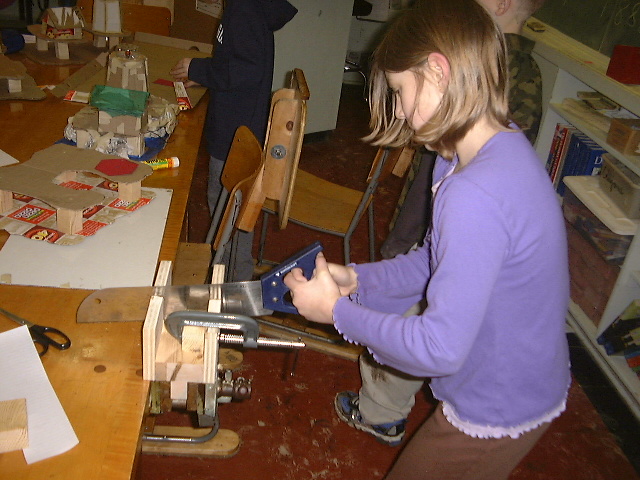
Learning how-to us Hand Tools like a saw, clamp and miter box connects your eyes to your brain to your hands.
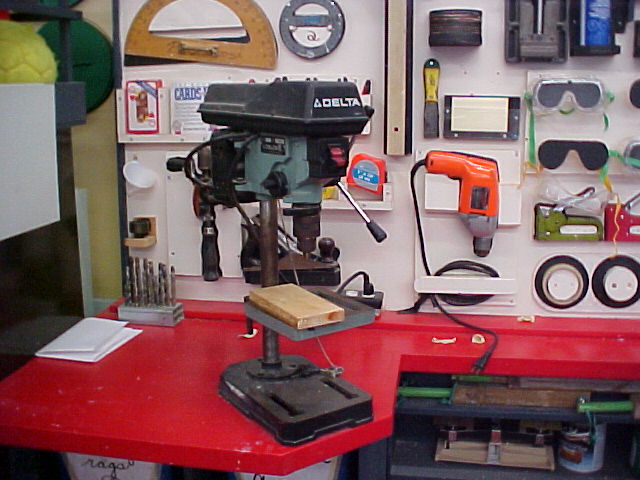
Learning how-to use power tools makes constructing a project easier.

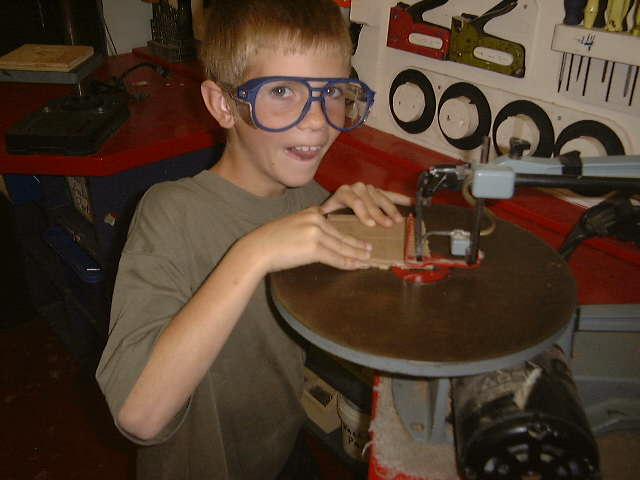
Learning how-to work Safely
with goggles will protect your eyes which are part of your brain.
with goggles will protect your eyes which are part of your brain.

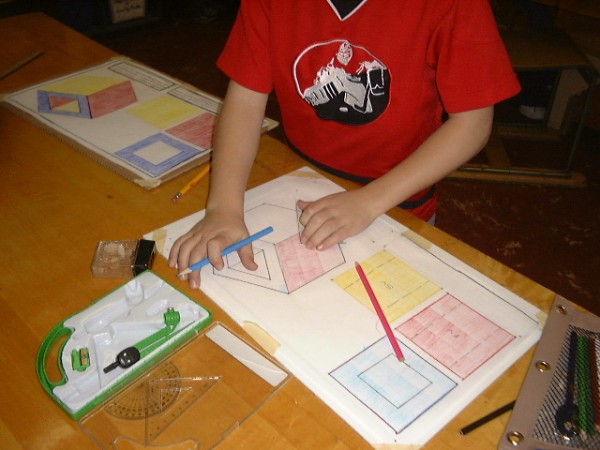
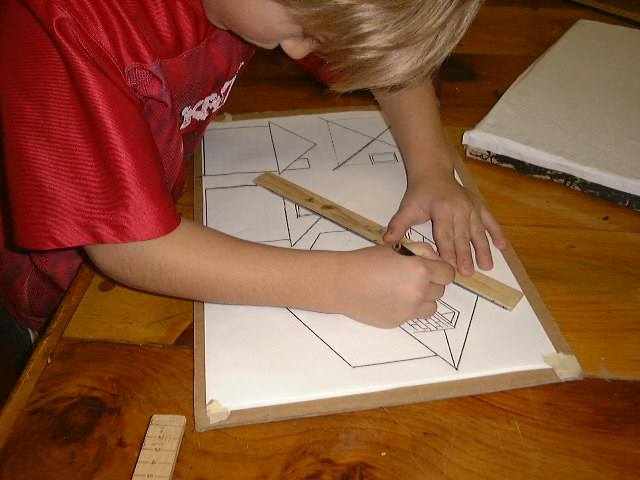
Learning how-to communicate an idea using orthographic and isometric projection makes it easy for another person to understand the idea you have imagined in your brain.

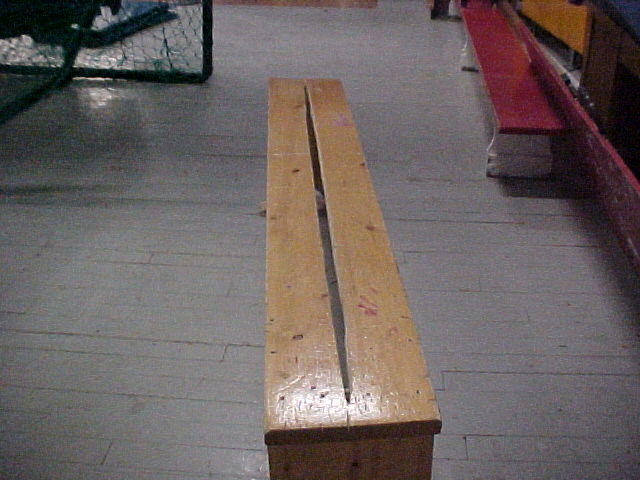
Cardboard Cutting Benches
were used to cut cardboard. A hand saw, with fine cross-cut teeth, makes cutting easy.
were used to cut cardboard. A hand saw, with fine cross-cut teeth, makes cutting easy.

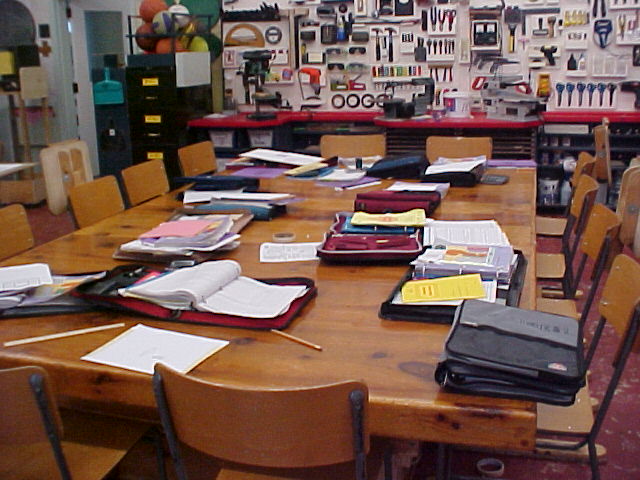
Design and Writing Table
This was the largest table in the classroom. Students worked on all kinds of things including math, science and design.
This was the largest table in the classroom. Students worked on all kinds of things including math, science and design.
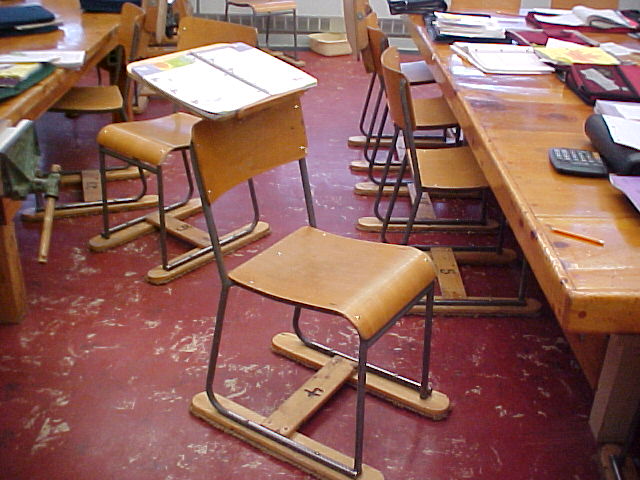
Classroom Chairs
All the chairs in the room were permanently attached to pieces of wood. High quality wool carpet was glued to the wood. The chairs were silent, very easy to slide around and polished the floor.
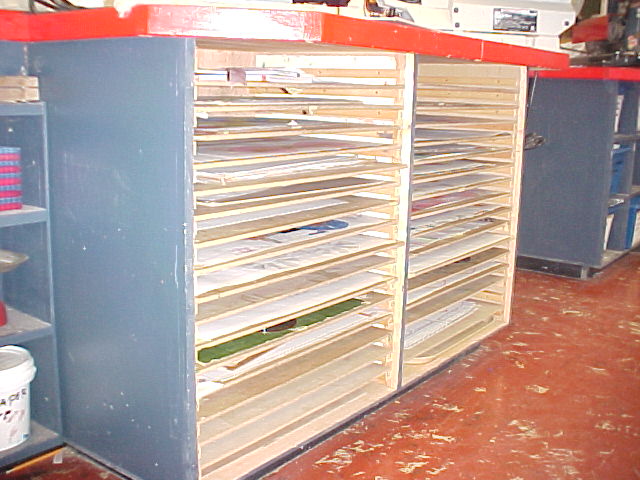
Drafting Board Cabinet
This was our drafting and art cabinet. Each student had a large thick flat area that could be moved to their area to draw and paint on.
This was our drafting and art cabinet. Each student had a large thick flat area that could be moved to their area to draw and paint on.
Drafting and Art Cabinet
Cubby Cabinet
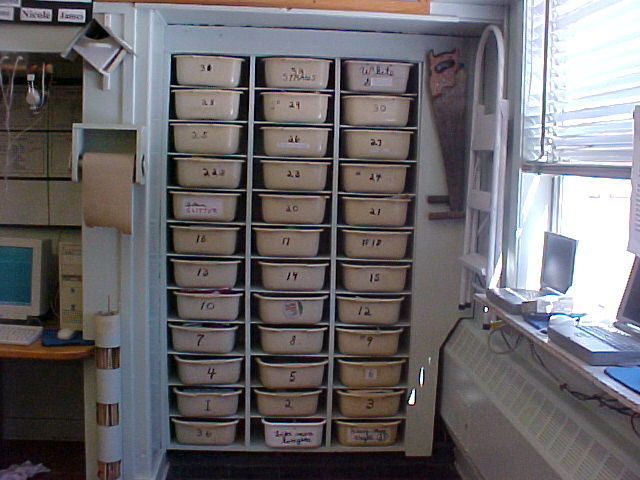
The students in my class did not have desks. Each student was given a cubby storage plastic container to store their personal things in. Each cubby was cleaned and inspected once a week.
The students in my class did not have desks. Each student was given a cubby storage plastic container to store their personal things in. Each cubby was cleaned and inspected once a week.
Cubby Storage Plastic Containers
More Tools and Instruments
Fraction Wheels
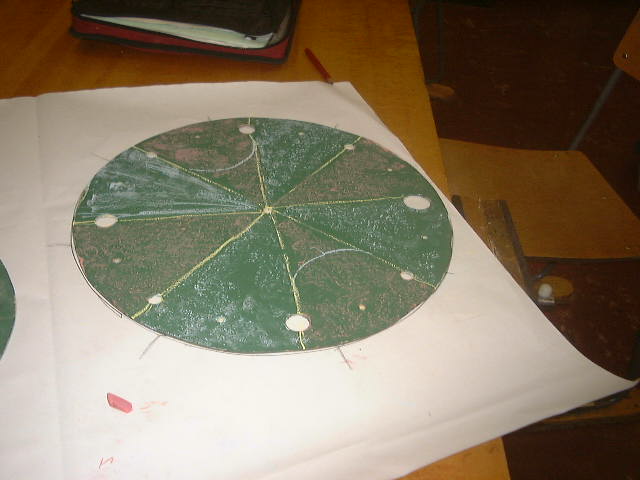
like this in the classroom were spray painted with blackboard paint so that we could use chalk on them. This wheel was 31.85cm in diameter. We attached the wheel to a guide stick, rolled it along a surface and measured distance. What's the distance of one turn?
like this in the classroom were spray painted with blackboard paint so that we could use chalk on them. This wheel was 31.85cm in diameter. We attached the wheel to a guide stick, rolled it along a surface and measured distance. What's the distance of one turn?
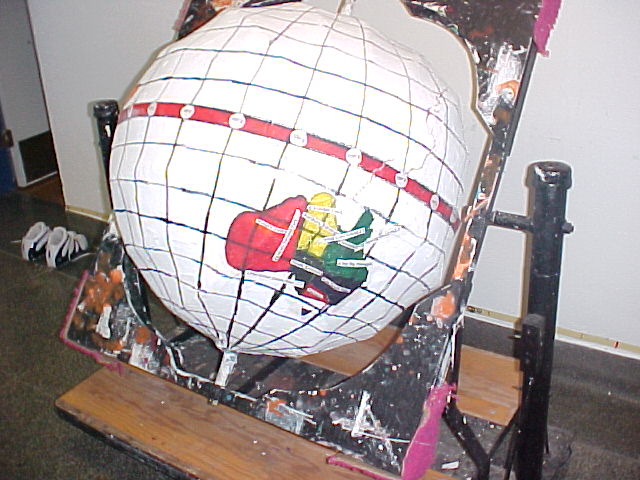
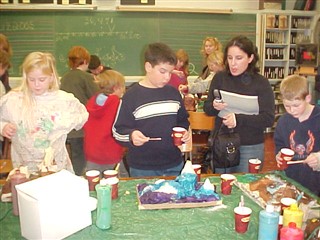
This is a paper mache globe that we created every year in the class. The red circle is the equator and the black crossing lines are longitudinal and latitudinal lines. At this time in the year we are comparing Australia and Canada. What is similar? What is different? I was able to design the globe and make it because I taught welding when I was a shop teacher.
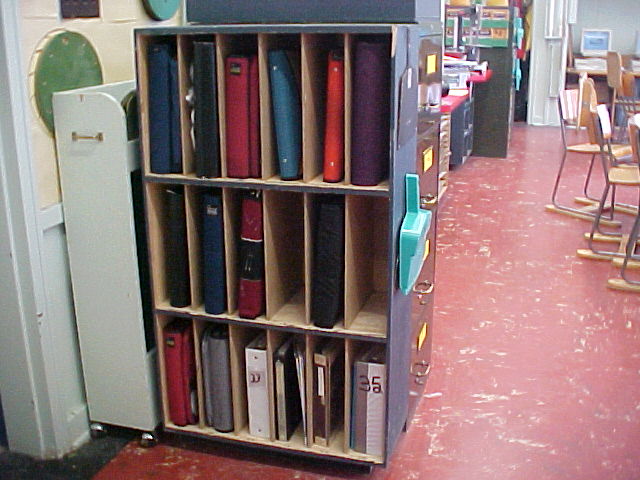
My students wer required to maintain individual three ring binders. Because we did not have desks, they stored them in their individual slot, organize them twice during the day and keep them clean. Many students kept three ring binder pencil cases within their binder.
Designing, Drawing and Art
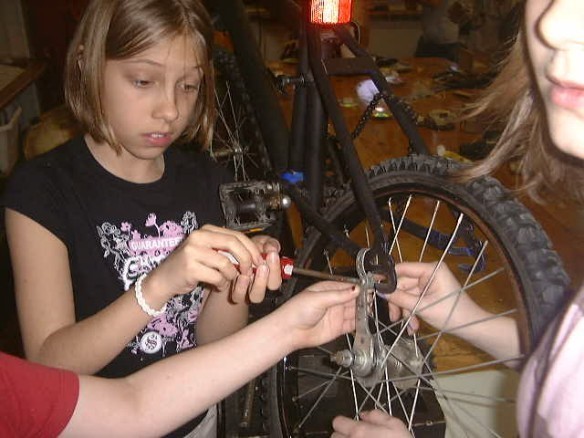
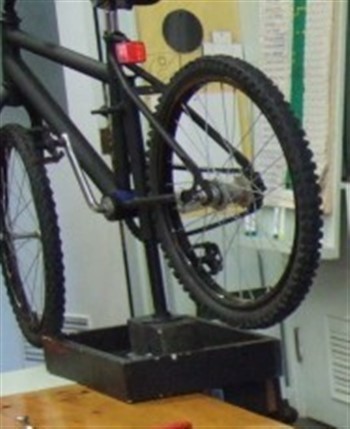
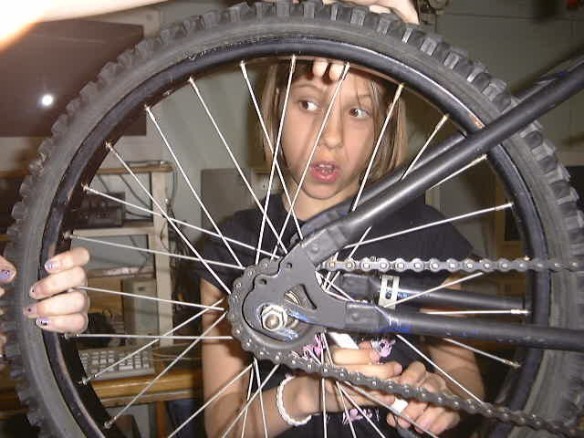
Bicycle Maintenance
Adjusting the drive chain tension and using a box-end wrench to tighten a bicycle's axel nuts was a difficult task.
Bicycle on a stand ready to be disassembled and assembled.
Releasing the brake arm clamp with a screwdriver.
Designing a house for the House by the Sea project; probably the most artistic project my students made.
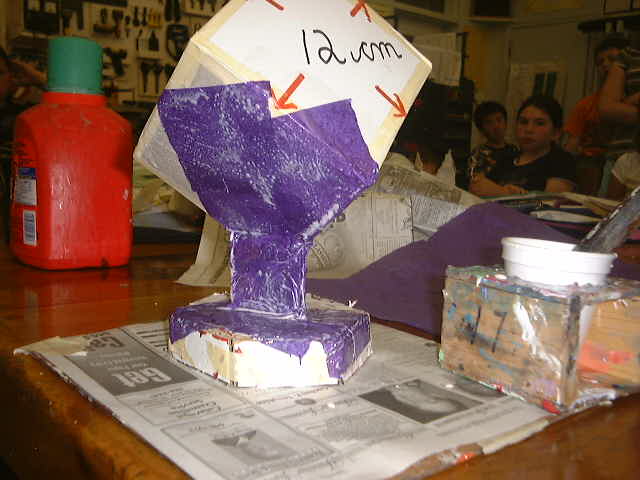
Constructing a cube and mounting it on a stand for father's Day.
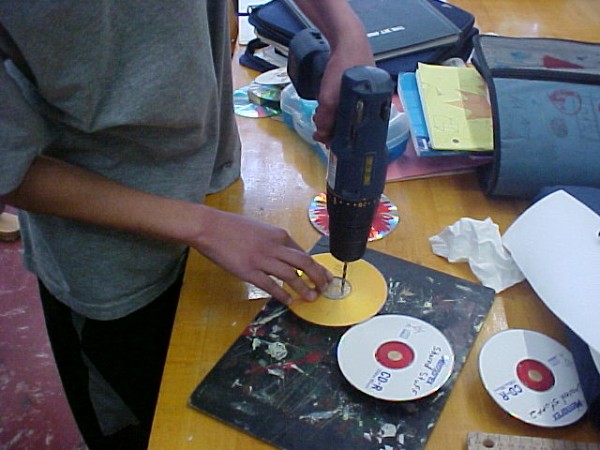
Using a hand drill, drill press and drill bits, was part of learning about simple and complex machines. Ten-year-old kids love working with machines.
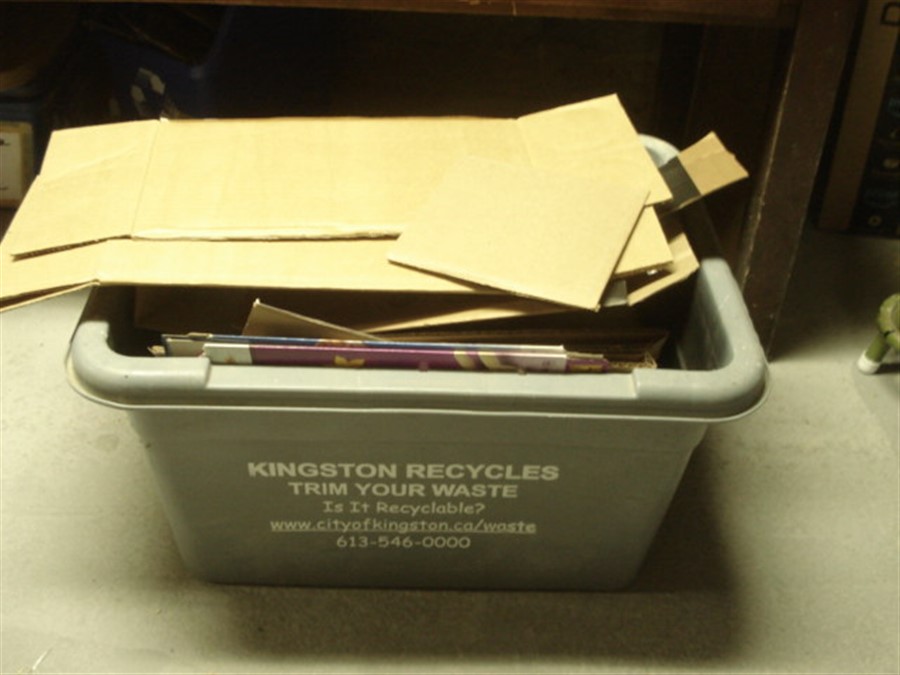
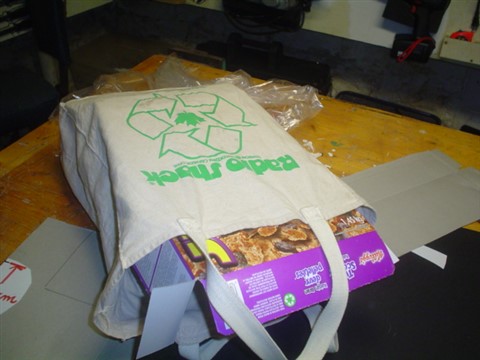
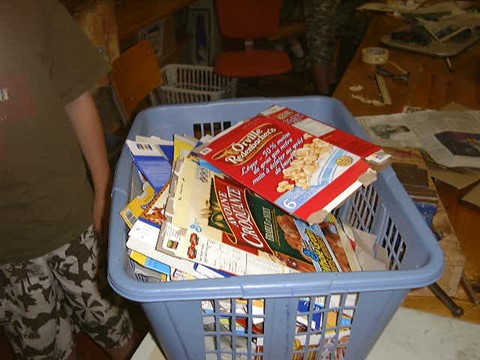
Recycling went on everyday. I want a 1cm grid printed on the inside of cereal boxes.
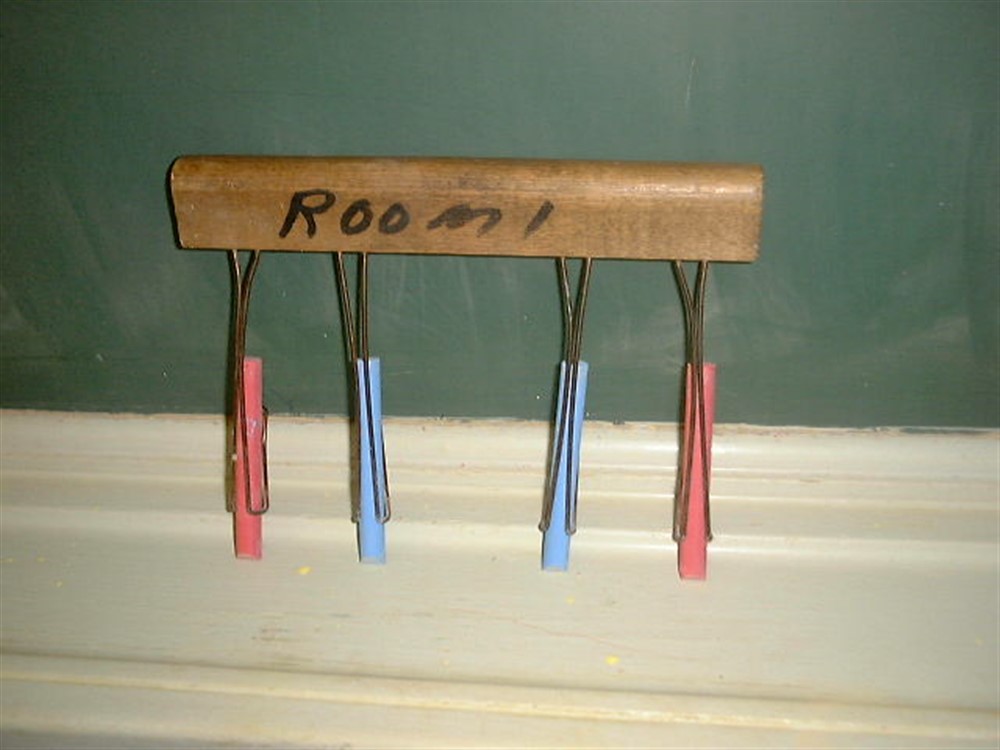
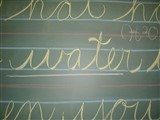
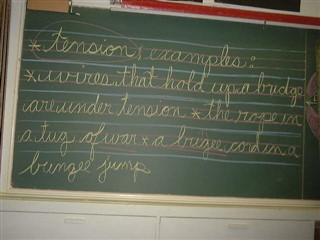
Modified Cursive Writing Guide
My Classroom
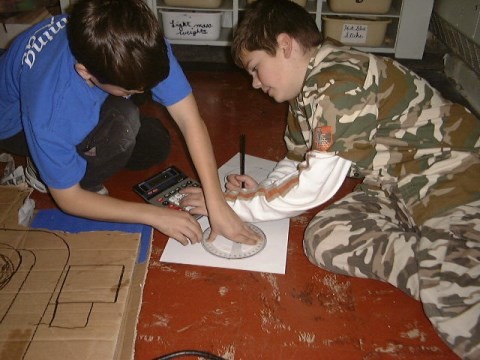
Two future engineers calculating and discussing how they are going to make their racetrack.
Teaching cursive writing is great for improving brain power skills. Cursive writing starts by sending massless particles called photons, to the brain through the eye, which makes a picture and sends that picture to the fingertips which is holding a writing tool which recreates the letter on something depending what you are writing on. I taught cursive on a blackboard using chalk, one of my favourite writing tools.
How is math, science and technology connected?